Various information
House features
Air conditioning and heating systems of the house
Electric system
Services of the house
Facilities and services
Location and surroundings
Number of rooms
Size of rooms
Bathroom facilities
Room facilities
Furnishing
Cleaning services
Services
Holiday themes - the place
Holiday themes - town size
Holiday themes - area features
Holiday themes - house features

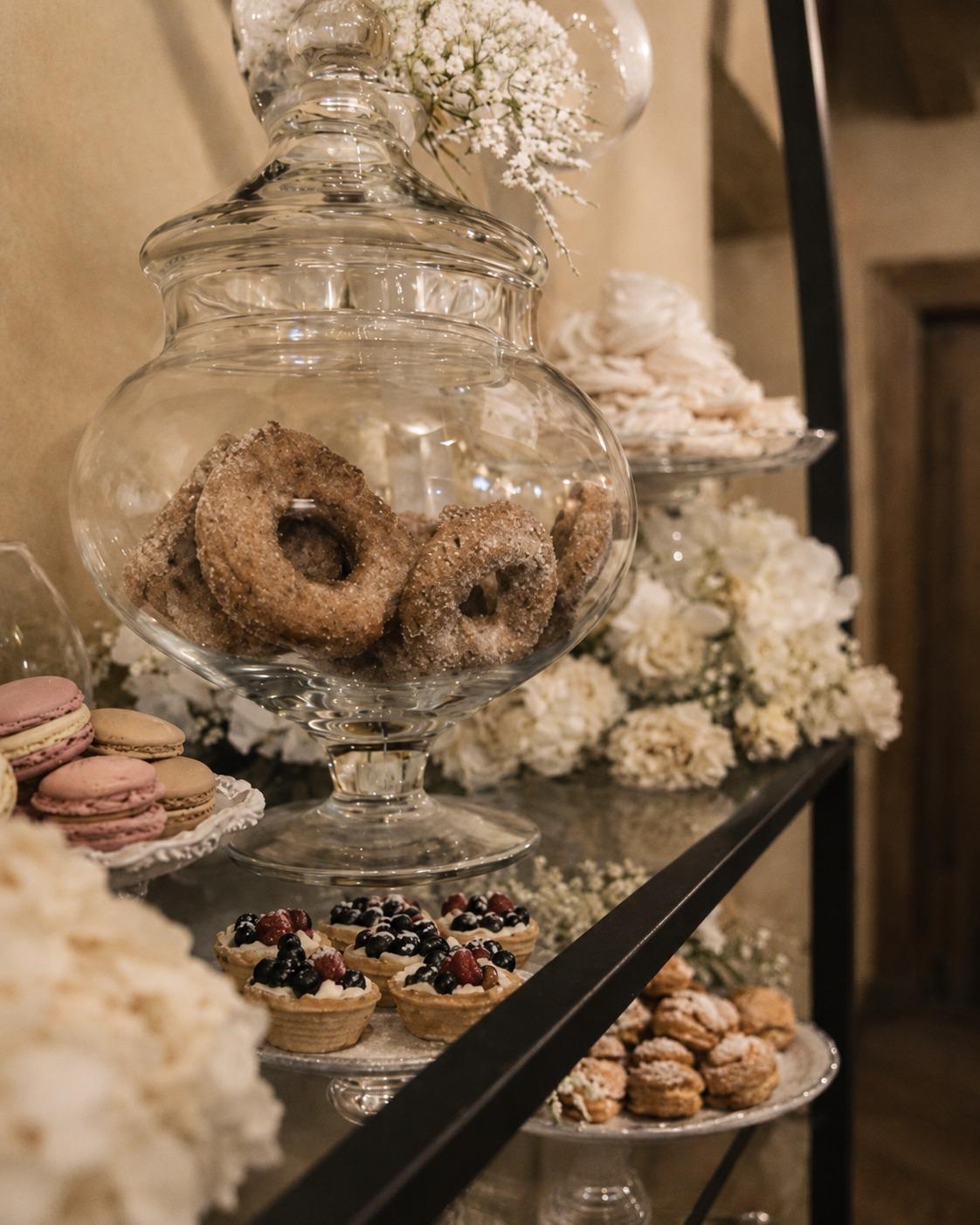
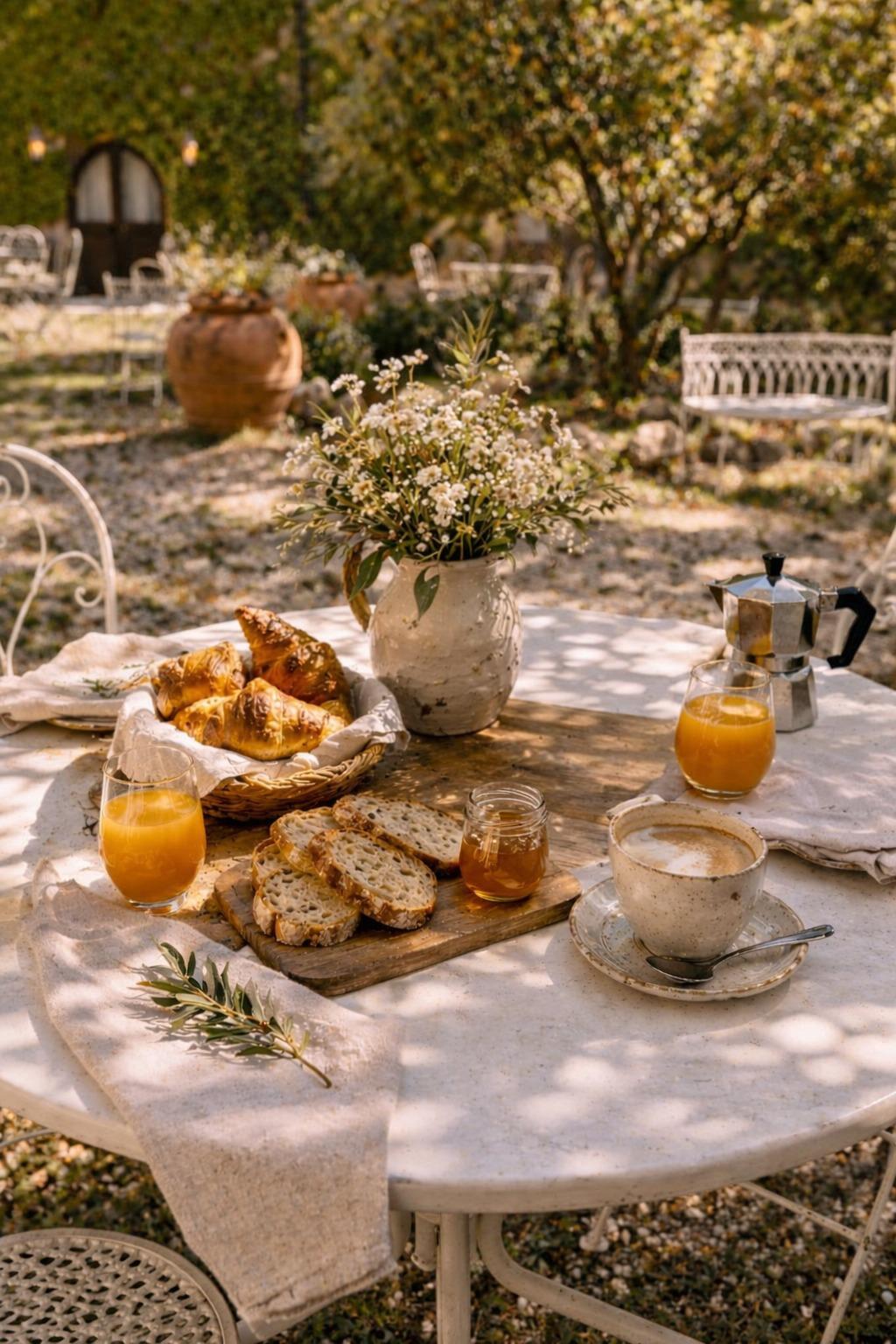

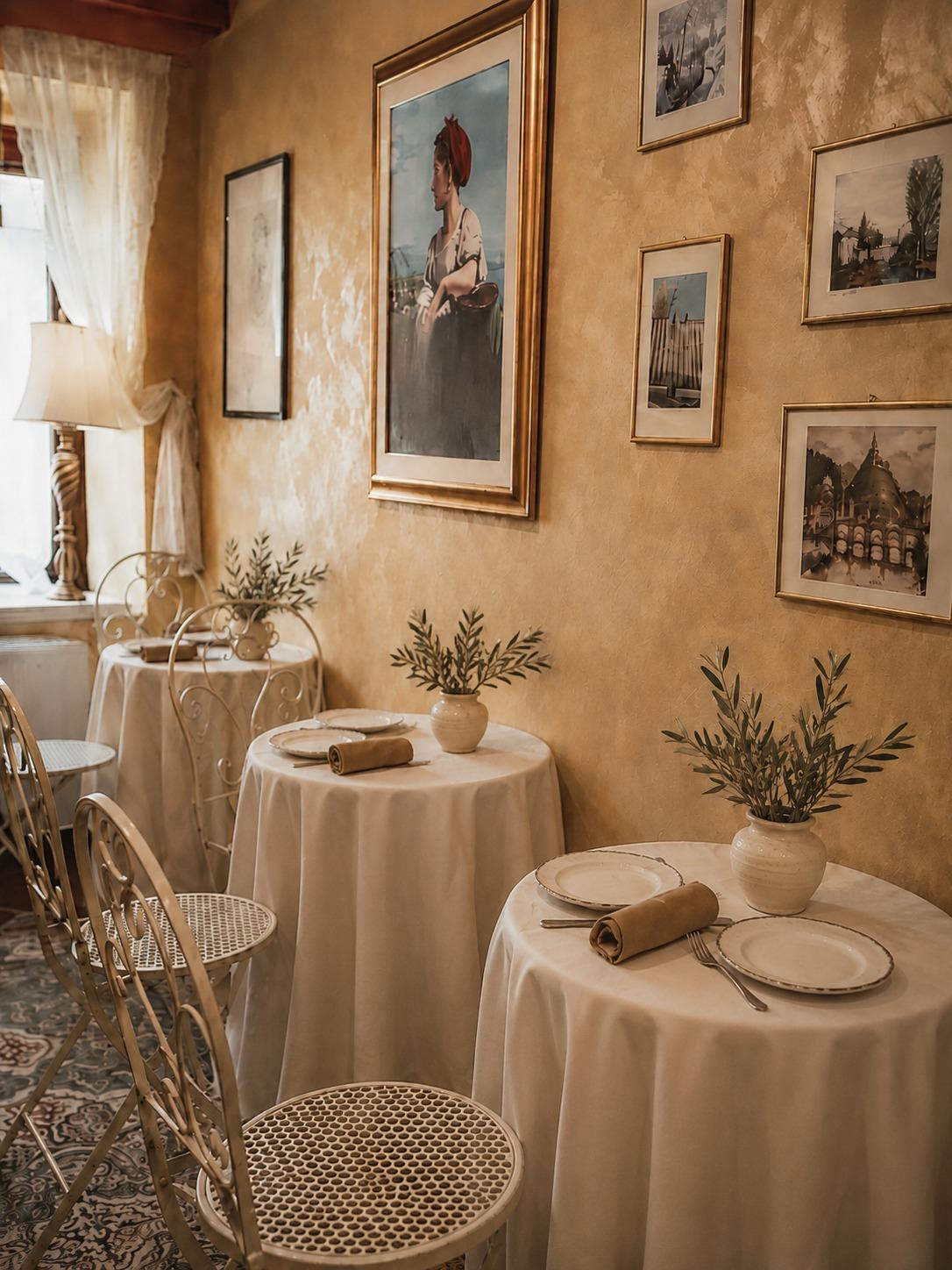

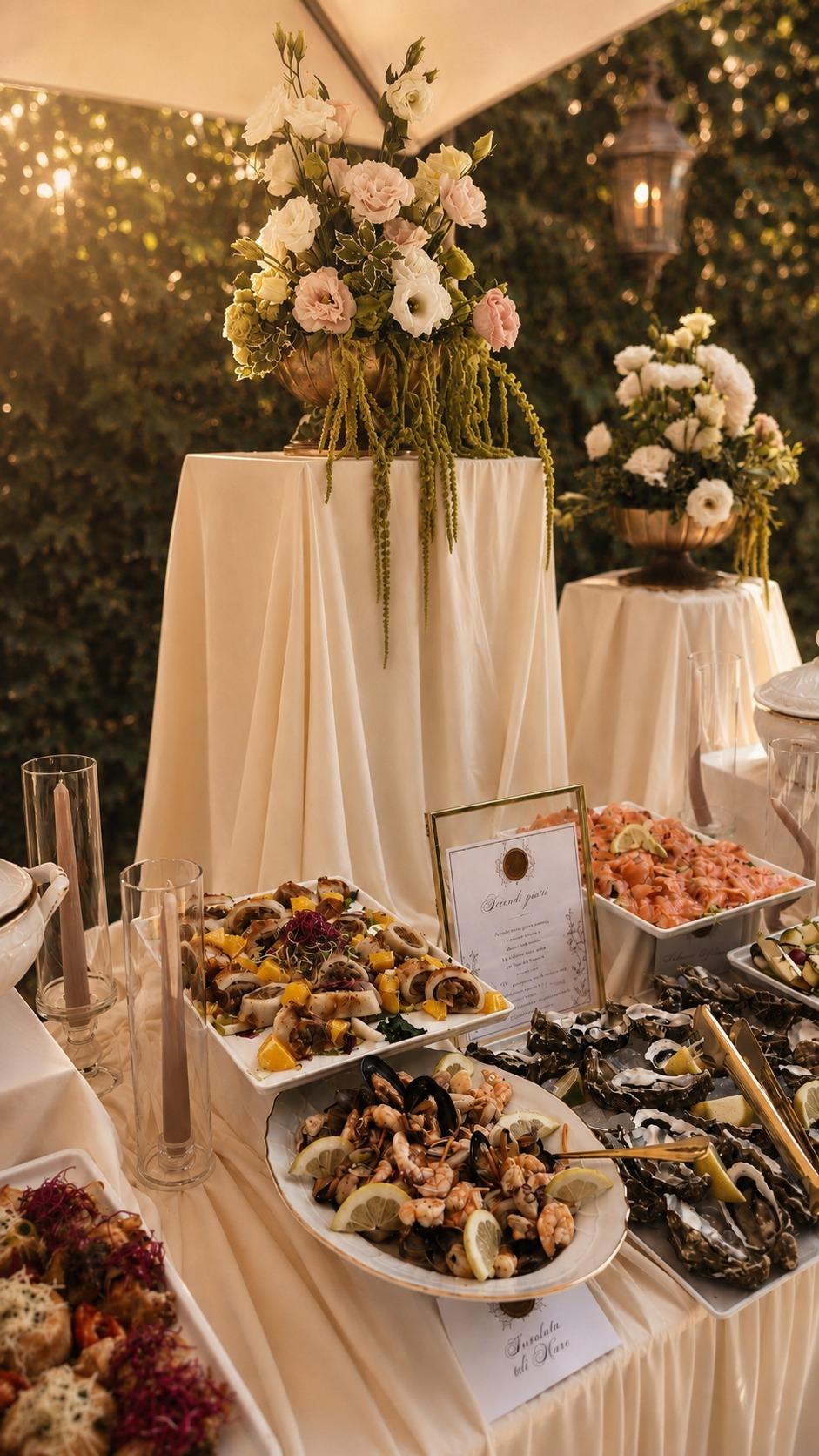

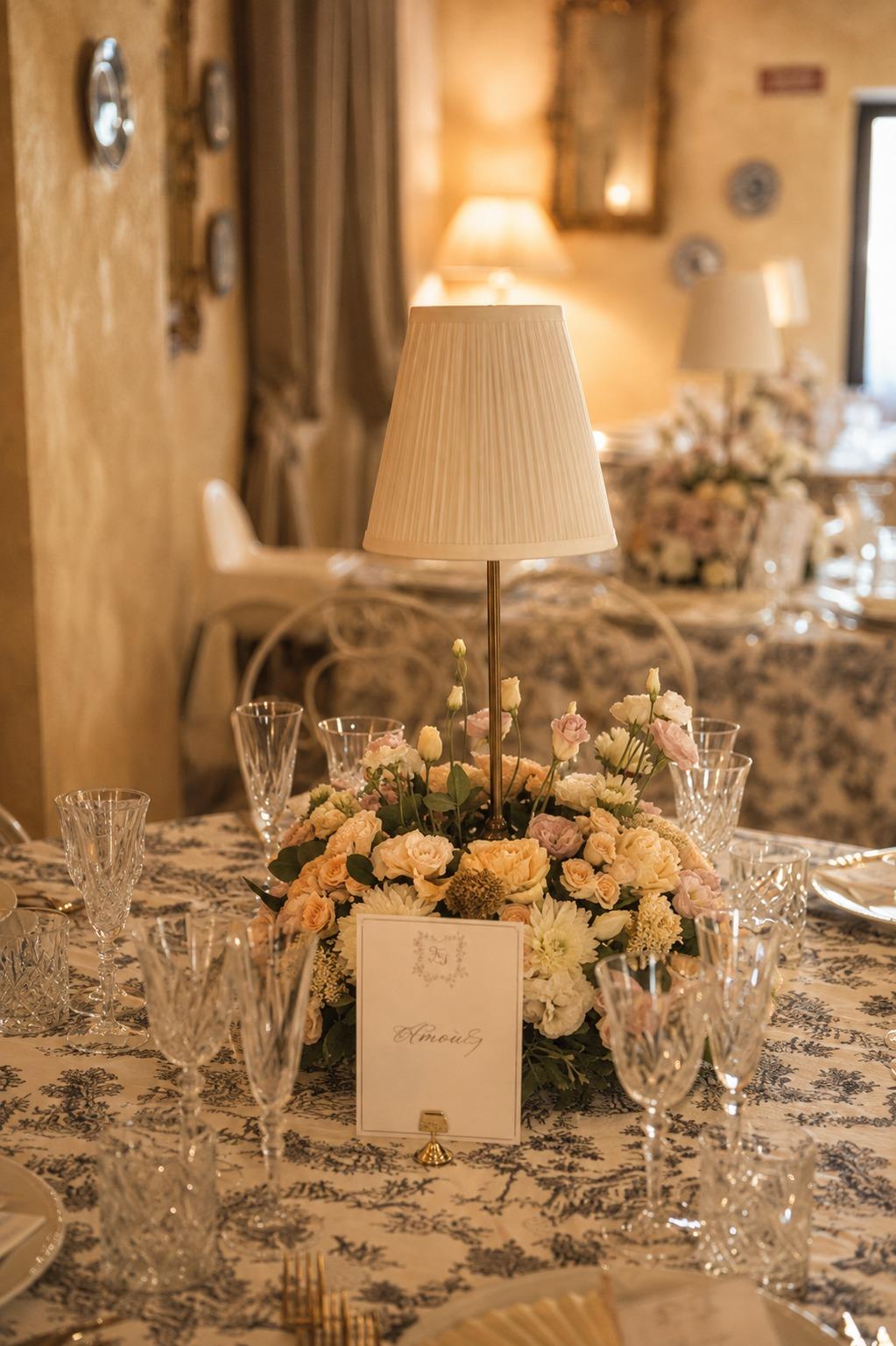

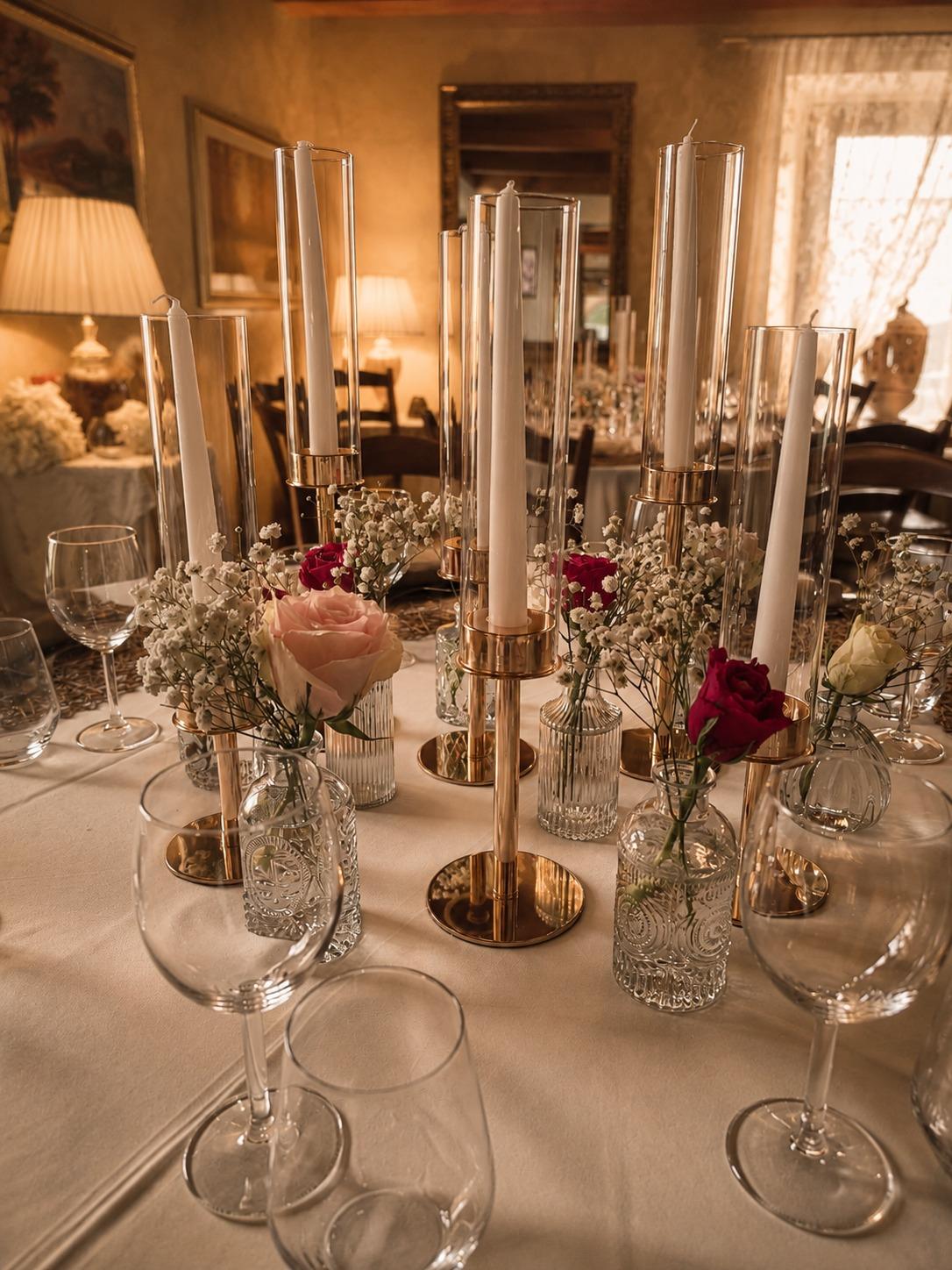
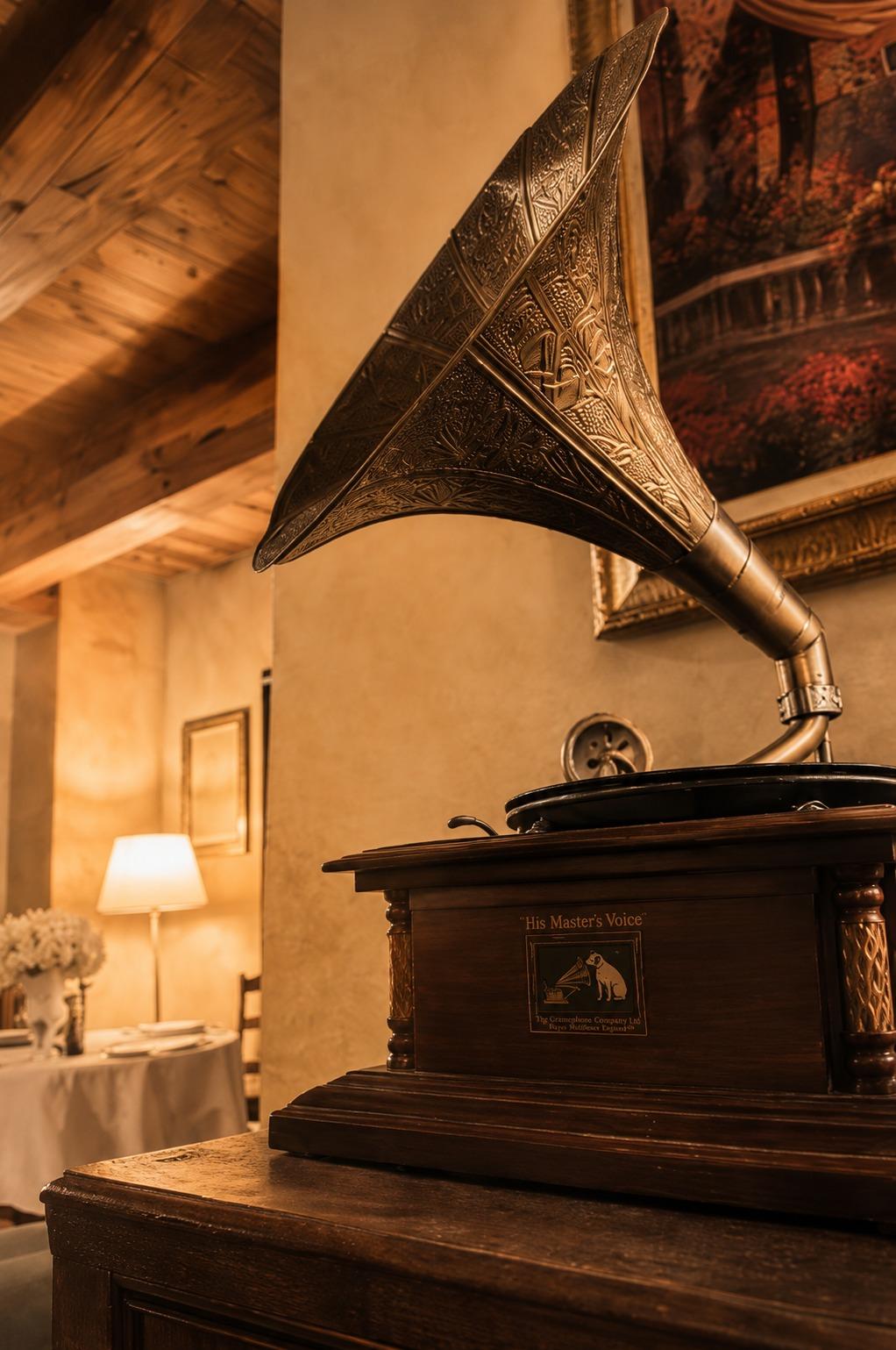
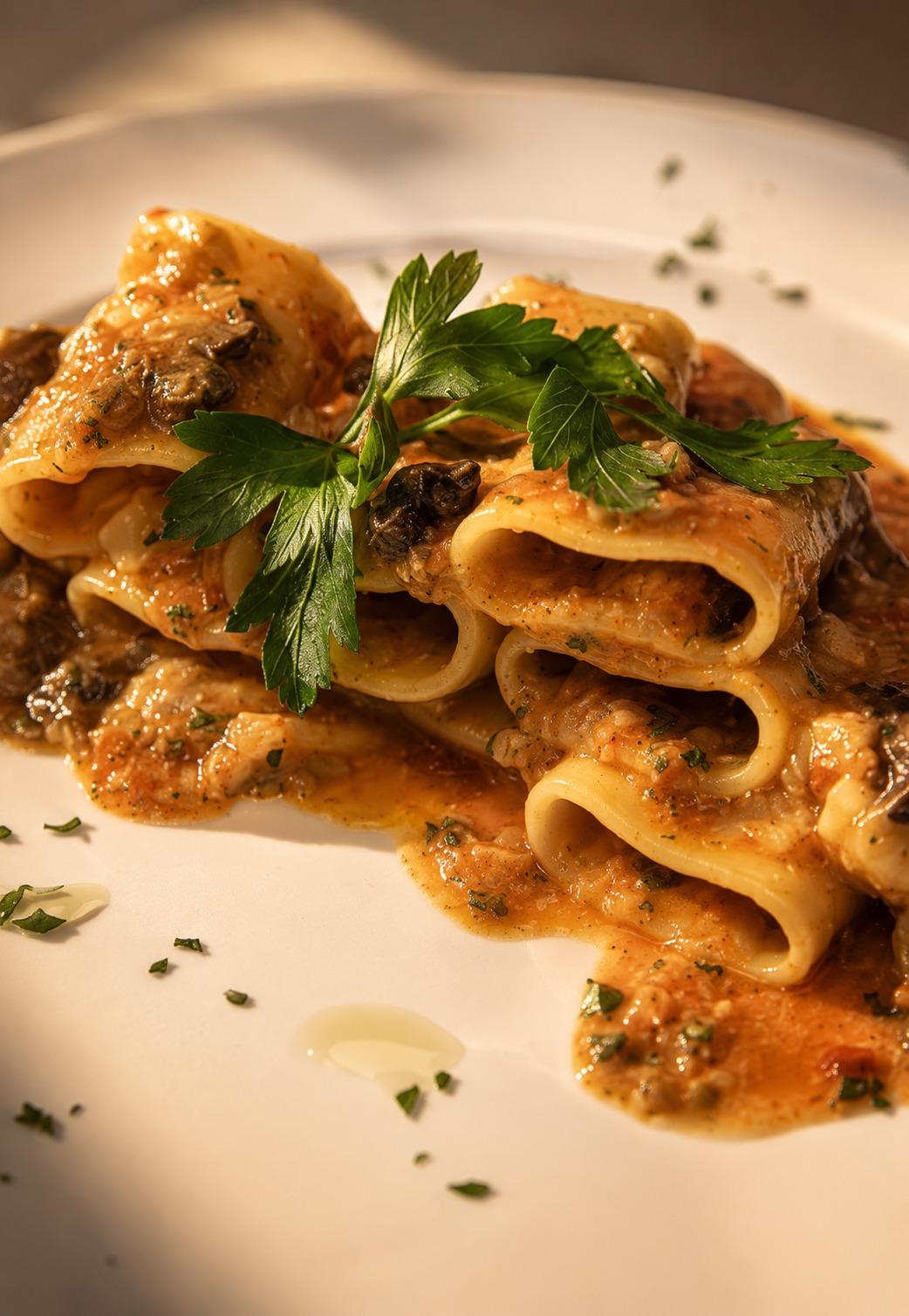
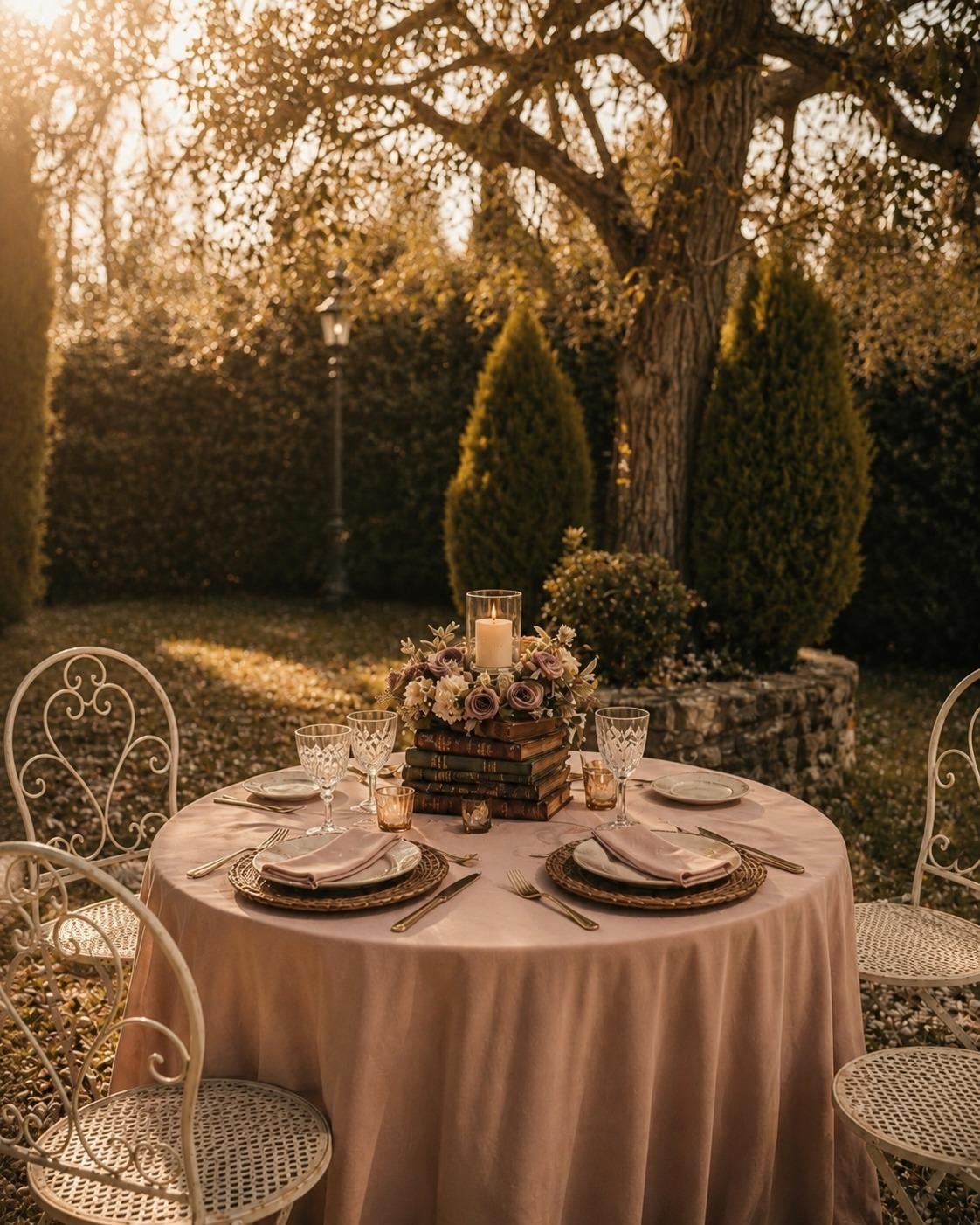

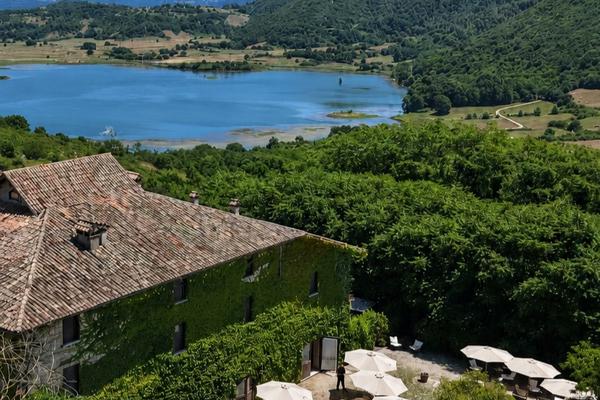
Villa Sant’Erasmo is situated in the medieval village of Porciano, within the territory of Ferentino, in one of the most picturesque areas of Ciociaria. The residence is nestled in the countryside, surrounded by hills covered with vineyards, olive groves, meadows, and forests, all within the Natural Reserve of Lake Canterno. This location is especially appealing to those who wish to alternate days immersed in nature with exploring medieval villages, art cities, abbeys, and ancient centers in the province of Frosinone.
Lake Canterno is one of the main scenic features of the area. Encircled by the Ernici Mountains and set in a largely unspoiled natural environment, it offers changing views throughout the seasons and is a popular destination for walks, hikes, and outdoor activities. The presence of the natural reserve helps maintain the peaceful character of this area, making it ideal for travelers seeking a holiday away from the busy pace of more crowded destinations.
About 4 km away lies Fumone, a small fortified village perched atop a hill nearly 800 meters above sea level. Its commanding position provides expansive views over the Sacco Valley, the Ernici Mountains, and Lake Canterno. The historic center preserves a charming medieval layout, featuring narrow streets, walls, and panoramic viewpoints, and is best known for the Castle of Fumone, an ancient fortress linked to significant events in papal history.
Nearby is Fiuggi, a famous spa town nestled in the greenery of the Ernici Mountains. The city has two distinct parts: the historic center, gathered on the hill and characterized by narrow streets and traditional architecture, and Fiuggi Fonte, which developed around the renowned thermal springs. It is an ideal destination for dedicating part of the stay to wellness, leisurely walks, and discovering a mountainous landscape easily accessible from the Villa.
Among the most interesting excursions is Anagni, known as the “City of Popes” for its important role during the Middle Ages and its close connection to papal history. The historic center holds significant architectural heritage, dominated by the Cathedral of Santa Maria and the Palace of Boniface VIII. Wandering through its streets reveals palaces, churches, and remnants of a city that was for centuries one of the main political and religious centers of southern Lazio.
Ferentino also preserves a historically significant heritage. Its very ancient origins are still evident in the massive polygonal walls and the Acropolis, while the historic center retains medieval buildings, churches, and traces from Roman times. Along with Anagni, Alatri, Veroli, and other towns of the Ernici area, it represents a fascinating stop for understanding the long history of this part of Lazio.
Alatri deserves a visit especially for its monumental Acropolis, enclosed by spectacular megalithic walls built with enormous stone blocks. The Porta Maggiore is one of the most impressive examples of this ancient construction technique. In the town center, you will also find the church of Santa Maria Maggiore and numerous buildings that bear witness to the various eras the city has experienced.
Continuing towards the Ernici Mountains, you reach Veroli and Collepardo. Veroli boasts a historic center rich in churches, palaces, and Roman and medieval remains, while Collepardo is surrounded by a particularly scenic mountainous environment. Nearby are the Collepardo Caves and the Charterhouse of Trisulti, an ancient monastic complex set in woods at the foothills of the Ernici Mountains, over 800 meters high. The combination of architecture, silence, and landscape makes this area one of the most captivating excursions in the entire Ciociaria region.
Another significant example of religious architecture in the area is the Abbey of Casamari, near Veroli. The abbey complex, noted for the austere elegance of its Gothic-Cistercian architecture, is one of the most important cultural destinations in southern Lazio and can easily be included in an itinerary focused on villages and spiritual sites in the province.
For those wishing to venture further south, Isola del Liri offers a completely different setting. The town is crossed by the Liri River, which in the heart of the city forms the spectacular Cascata Grande, a waterfall with a drop of about 27 meters. The presence of a natural waterfall within the urban fabric makes Isola del Liri a particularly unique destination, easily combined with visits to other towns in the Liri Valley.
Nature enthusiasts can also visit the Pastena Caves, a significant karst complex featuring caverns, formations, and underground watercourses. To the north, the land gradually rises towards the mountains and vast natural areas of the Lazio Apennines, offering more opportunities for excursions and outdoor days.
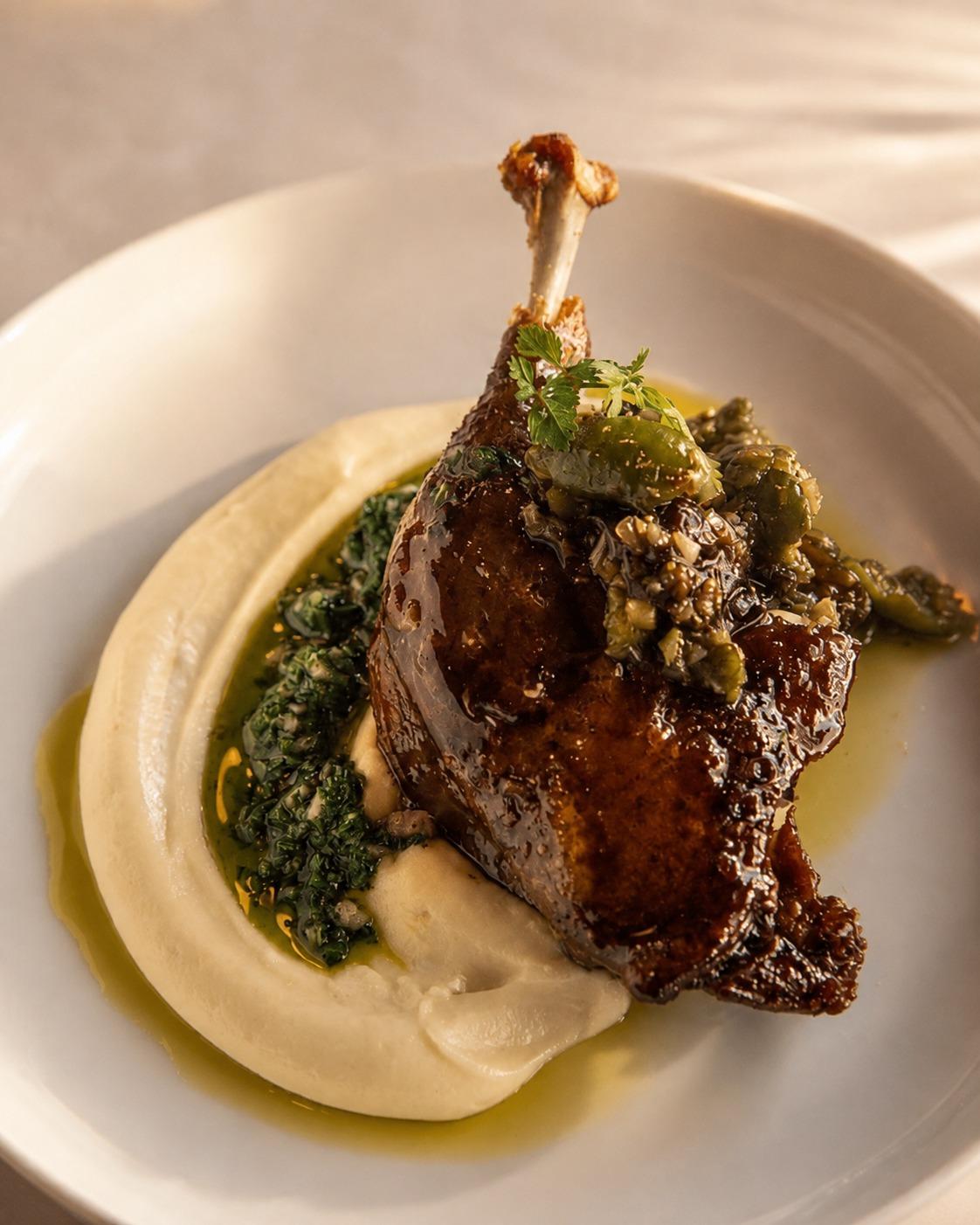
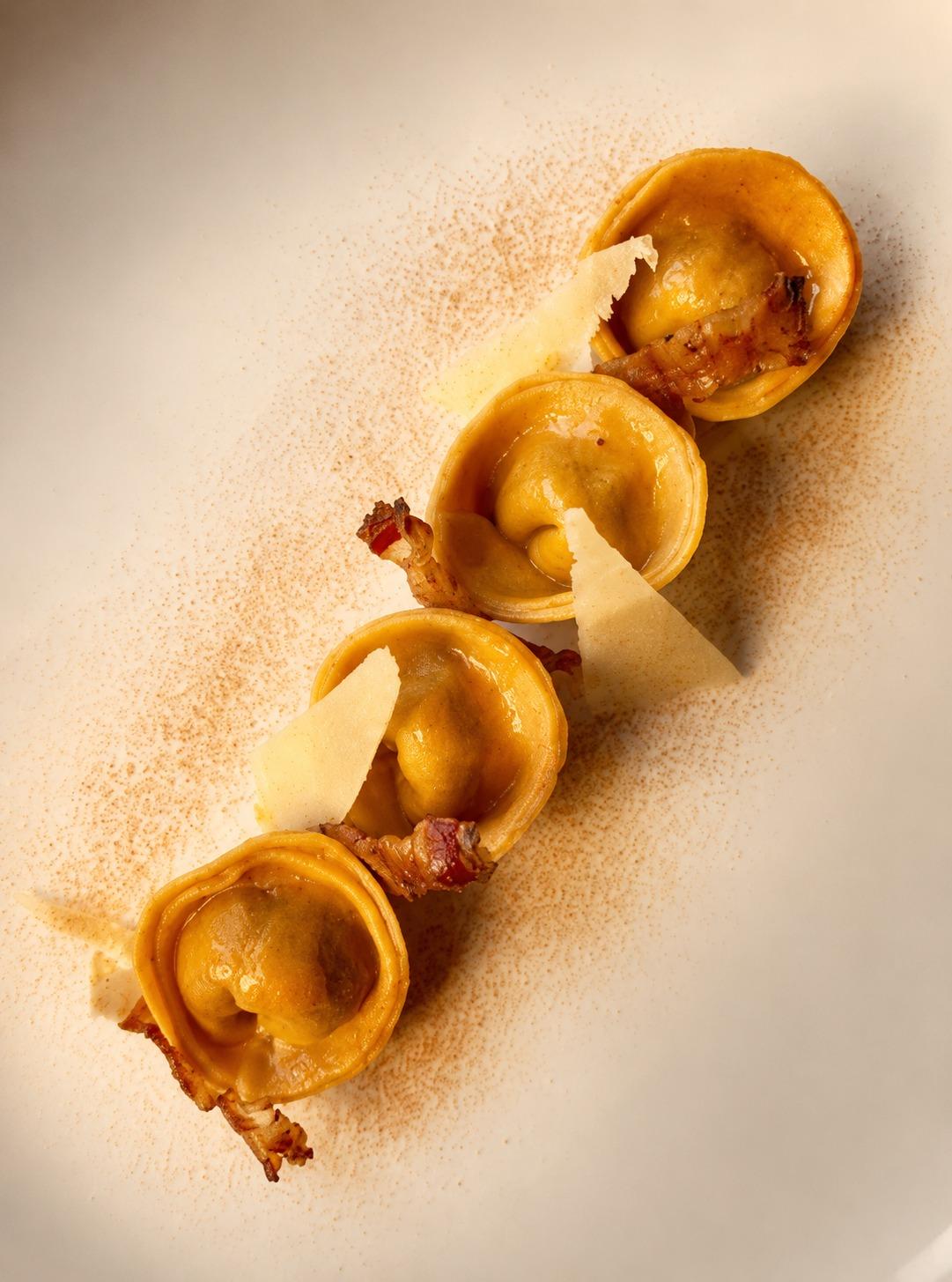
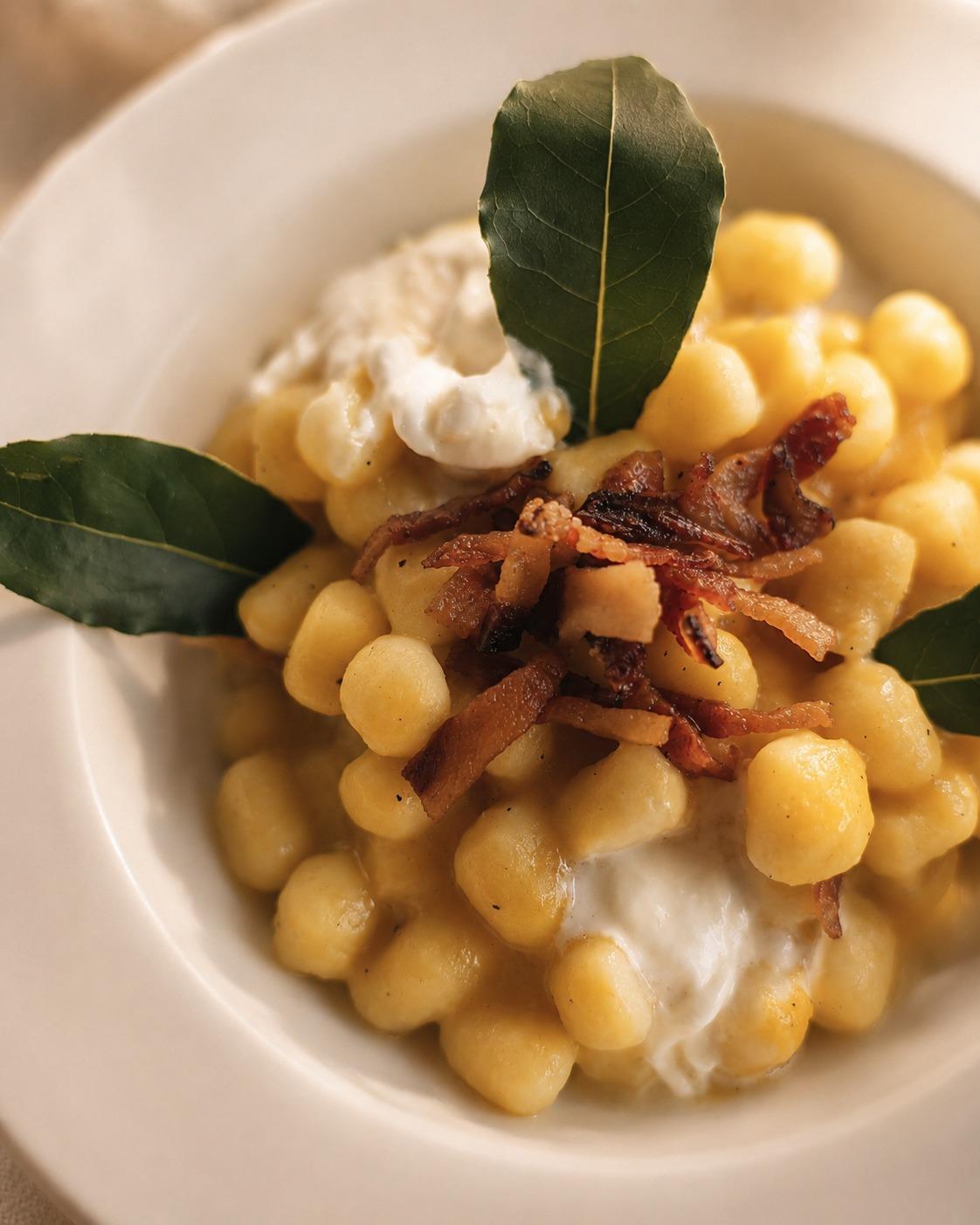
Ciociaria is also a land to be discovered through its products. Vineyards and olive groves adorn much of the landscape, and the wine tradition finds one of its most distinctive expressions in Cesanese, a wine strongly associated with this part of Lazio. Wineries, farms, and small producers allow visitors to complement cultural tours with tastings and journeys dedicated to local flavors.
Staying at Villa Sant’Erasmo thus offers a starting point in a peaceful, scenic rural setting while allowing easy access to numerous historical and natural highlights of Ciociaria. Lake Canterno, Fumone, Fiuggi, Ferentino, Anagni, Alatri, Veroli, Collepardo, the Charterhouse of Trisulti, and the Abbey of Casamari make up a surprisingly rich territory, ideal for a journey filled with villages, landscapes, gastronomic traditions, and places that still retain an authentic character.
*Distances As The Crow Flies


 (1 review)